5 Examples of Experiential Marketing
Experiential marketing is a strategy that invites consumers to engage with a brand through live, interactive experiences rather than passive advertising. Rather than telling people what a brand stands for, it shows them — through pop-up events, immersive installations, product demonstrations, and more. When done well, it creates emotional connections that traditional advertising simply cannot replicate.
Red Bull's Stratos space jump
In 2012, Red Bull sponsored Felix Baumgartner's record-breaking freefall from the stratosphere, live-streamed to millions of viewers worldwide. The event wasn't just a stunt — it was a masterclass in brand alignment. Red Bull had long positioned itself as a brand for the bold and the fearless, and Stratos brought that identity to life in the most dramatic way imaginable. The campaign generated global media coverage and remains one of the most talked-about brand moments in marketing history.
IKEA's sleepover event
After a Facebook group campaigning for an IKEA sleepover went viral, the furniture giant embraced the idea and hosted an overnight event at its Essex store. Winners got to sleep in the showroom, receive spa treatments, and consult with sleep experts. The campaign generated enormous press coverage and demonstrated something important: when a brand listens to its audience and responds creatively, the goodwill it earns far outweighs the cost of the event itself.
Coca-Cola's "Happiness Machine"
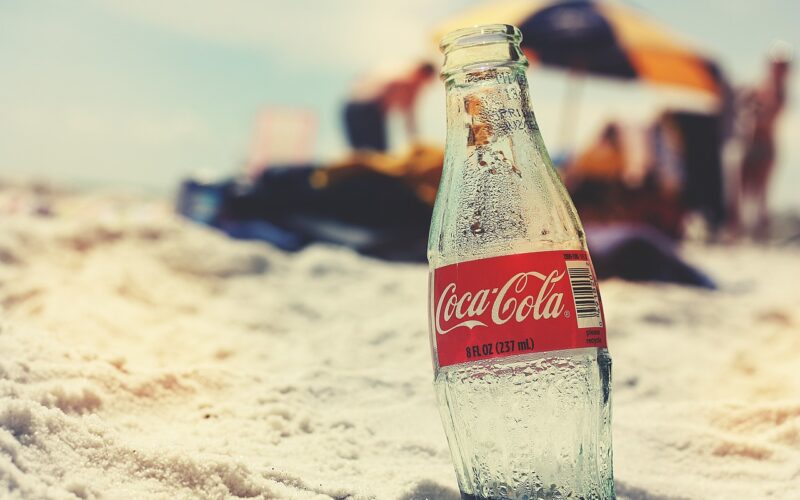
Coca-Cola installed a vending machine at a university in the United States that dispensed not just drinks, but flowers, pizza, balloons, and other surprise gifts to unsuspecting students. The moment was filmed and turned into a viral video that racked up millions of views online. This campaign worked because it tapped into something universal — the joy of an unexpected kind gesture — and connected that feeling directly to the brand. It was simple, human, and enormously effective.
Refinery29's 29Rooms
New York-based media brand Refinery29 created an annual interactive art installation called 29Rooms, featuring 29 individually themed, sponsor-branded rooms that visitors could walk through and interact with. Each room was designed to be visually striking and highly shareable on social media. The experience attracted thousands of visitors and generated a wave of user-generated content, extending the campaign's reach far beyond the event itself. It showed how experiential marketing and digital strategy can work hand in hand.
Airbnb's floating house
To promote the launch of its service in London, Airbnb floated a life-size house down the River Thames. The installation was part of a broader campaign celebrating the idea of belonging anywhere in the world. Passersby could watch it drift past iconic London landmarks, and the spectacle attracted significant media attention. The campaign was bold, unexpected, and perfectly on-brand — a physical embodiment of the freedom and adventure that Airbnb promises its users.
Why experiential marketing works
What these campaigns share is a commitment to creating something memorable — an experience people want to talk about, photograph, and share. Unlike a banner ad or a television commercial, a well-executed experiential campaign gives consumers a story to tell. That word-of-mouth value is difficult to quantify but impossible to ignore. As audiences grow increasingly sceptical of traditional advertising, brands that invest in genuine, human experiences are the ones that stand out.